Magnesium vs zinc for ear health: the QuietTone guide

Updated September 2026 · reviewed by the QuietTone Research Team. We are an independent information resource, not a medical provider, and this article is educational rather than medical advice.
Magnesium and zinc are two essential minerals that work in different systems: magnesium contributes to normal nervous-system and muscle function, giving hearing a calm baseline to sit on, while zinc supports normal immune and cognitive function and the everyday resilience of the body's tissues. In the "magnesium vs zinc for ear health" question there is rarely a single winner — which is exactly why QuietTone includes 12.5 mg of each rather than betting on one.
Magnesium or zinc for your ears? The honest, evidence-led version in one place.
- Short answer
- They are not rivals. Magnesium is the nervous-system mineral; zinc is the immune-and-repair mineral. For everyday ear wellness, most people benefit from a balance of both, not a choice between them.
- Magnesium’s lane
- Nerve signalling, muscle relaxation and lower everyday tiredness — the calm foundation quiet hearing is built on.
- Zinc’s lane
- Normal immune function, cognitive function and antioxidant defence — support for the tissues and terrain the ear depends on.
- In QuietTone
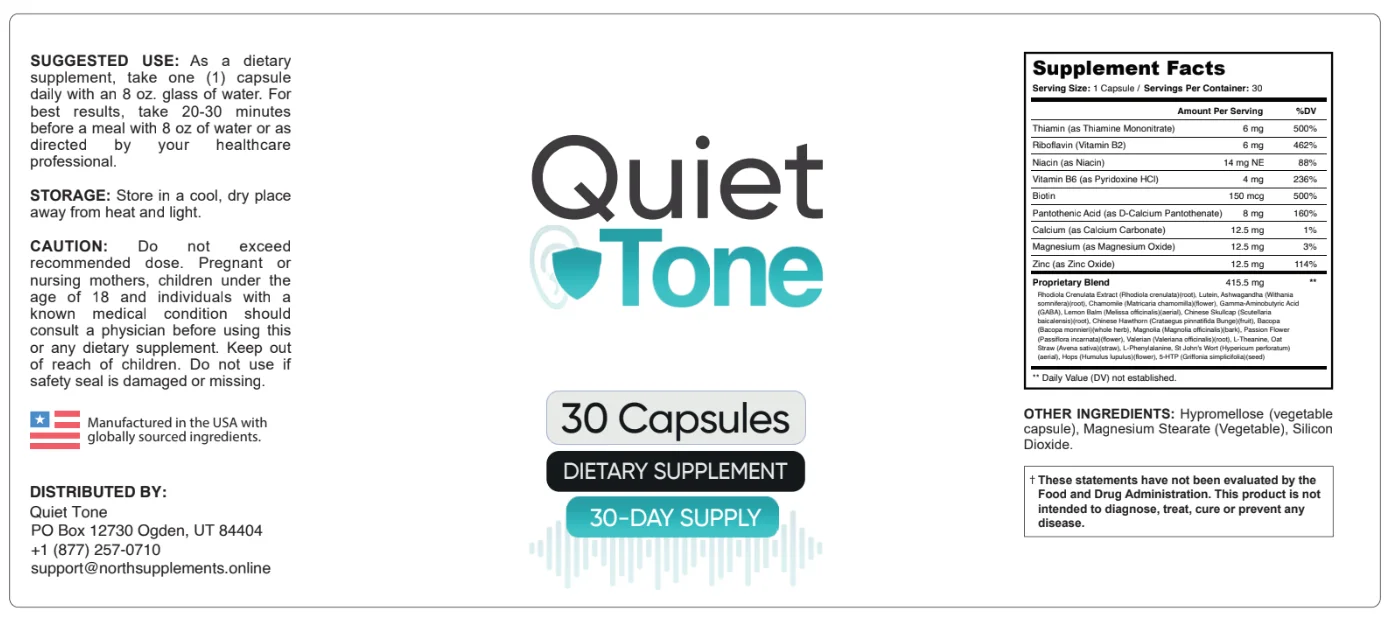
- 12.5 mg magnesium (as magnesium oxide) and 12.5 mg zinc per capsule, among nine vitamins and minerals beside a 415.5 mg botanical blend.
- The caveat
- Neither mineral treats, cures or prevents tinnitus, hearing loss or any condition. They support a routine; they are not a medicine.
If you have wondered why both minerals show up on the same label, this guide compares what each one does, where the evidence is encouraging and where it is thin, and why a balanced pairing sits inside QuietTone rather than a megadose of either.
What is the difference between magnesium and zinc for ear health?
The core difference is where they work: magnesium is a macromineral that steadies the nervous system, while zinc is a trace mineral that supports immunity and tissue defence. Magnesium is needed in larger amounts and is involved in hundreds of enzyme reactions, including those that govern nerve signalling and muscle relaxation. Zinc is needed in far smaller amounts but is no less essential, acting as a cofactor for enzymes tied to immune response, cell division and antioxidant protection. For the ear — an organ that depends on both steady nerve signalling and healthy, well-defended tissue — the two minerals are complementary rather than interchangeable.
Why does the ear care about minerals at all?
Hearing is a delicate electrochemical process: hair cells in the inner ear convert sound vibrations into nerve signals, and that conversion depends on a balanced mineral environment. Magnesium helps regulate the flow of calcium into nerve cells, part of how the nervous system stays measured rather than over-excited. Zinc is concentrated in the cochlea and plays a role in antioxidant defences that protect busy tissue. Neither fact makes a mineral a treatment, but both explain why the two keep appearing in the hearing-and-calm conversation.
What does magnesium do for the nervous system and hearing?
Magnesium is the calm-signal mineral: it contributes to normal nervous-system function, normal muscle function and the reduction of tiredness and fatigue. Because it helps modulate the excitability of nerve cells, adequate magnesium is associated with a steadier, less "wired" baseline — and a calmer nervous system is the foundation on which comfortable, quiet hearing tends to rest. Research into magnesium and the inner ear, much of it in the context of noise exposure, is genuinely interesting but remains preliminary; it is best read as a reason to keep magnesium adequate, not as proof of any auditory cure. A 2026 review of magnesium in otology in Magnesium Research reaches the same cautious summary (Büntzel 2026, PMID 42439044).
Where is the magnesium evidence strong, and where is it thin?
The strong part is nutritional: magnesium's roles in nerve, muscle and energy metabolism are well established, and many adults fall short of recommended intakes. The thin part is specific: the leap from "magnesium supports normal nerve function" to "magnesium fixes hearing problems" is not supported by robust human evidence. The honest position, and the one QuietTone takes, is that magnesium earns its place as a foundational nutrient rather than as a targeted auditory remedy. For a deeper look, see our dedicated guide to magnesium in QuietTone.
What does zinc do for ear and immune health?
Zinc is the defence-and-repair mineral: it supports normal immune function, normal cognitive function and the protection of cells from oxidative stress. The inner ear is one of the more zinc-rich tissues in the body, and zinc's antioxidant and immune roles are part of why it is discussed alongside ear wellness. As with magnesium, the everyday, well-supported story is nutritional adequacy — keeping intake in a healthy range so the body's immune and antioxidant systems have what they need — rather than any claim that zinc reverses hearing change. Animal work showing that zinc deficiency damages inner-hair-cell synapses in mice is a reason to avoid a shortfall, not evidence that extra zinc improves hearing (Shim 2024, PMID 38118309).
Is more zinc always better?
No, and this is where balance matters most. Zinc is essential in modest amounts, but very high isolated doses taken over long periods can interfere with copper absorption and upset the body's mineral balance. That is a strong argument for food-level amounts within a balanced formula rather than a large stand-alone zinc pill. Our full write-up on zinc in QuietTone walks through the trace-mineral details and the sensible upper limits.
See the exact dose of each mineral in QuietTone →
Magnesium vs zinc: how do they compare side by side?
Put simply, magnesium and zinc solve different problems, so comparing them is less "which is better" and more "which system are you supporting." The table below lines up their headline roles, the amounts the body needs, and where each fits in the ear-and-calm picture.
| Feature | Magnesium | Zinc |
|---|---|---|
| Mineral type | Macromineral (needed in larger amounts) | Trace mineral (needed in small amounts) |
| Headline role | Normal nervous-system & muscle function | Normal immune & cognitive function |
| Ear-relevant angle | Calm nerve signalling; steadier baseline | Antioxidant & immune support for tissue |
| Also helps with | Reducing everyday tiredness & fatigue | Protecting cells from oxidative stress |
| Food sources | Leafy greens, nuts, seeds, legumes | Shellfish, meat, seeds, whole grains |
| Over-supply risk | Loose stools at very high doses | Copper imbalance at high long-term doses |
Read across the rows and the pattern is clear: these minerals are teammates, not competitors. Magnesium settles the wiring; zinc guards the tissue. A sensible everyday routine keeps both adequate, which is the thinking behind the balanced nutrient base in QuietTone.


Both minerals, one daily capsule
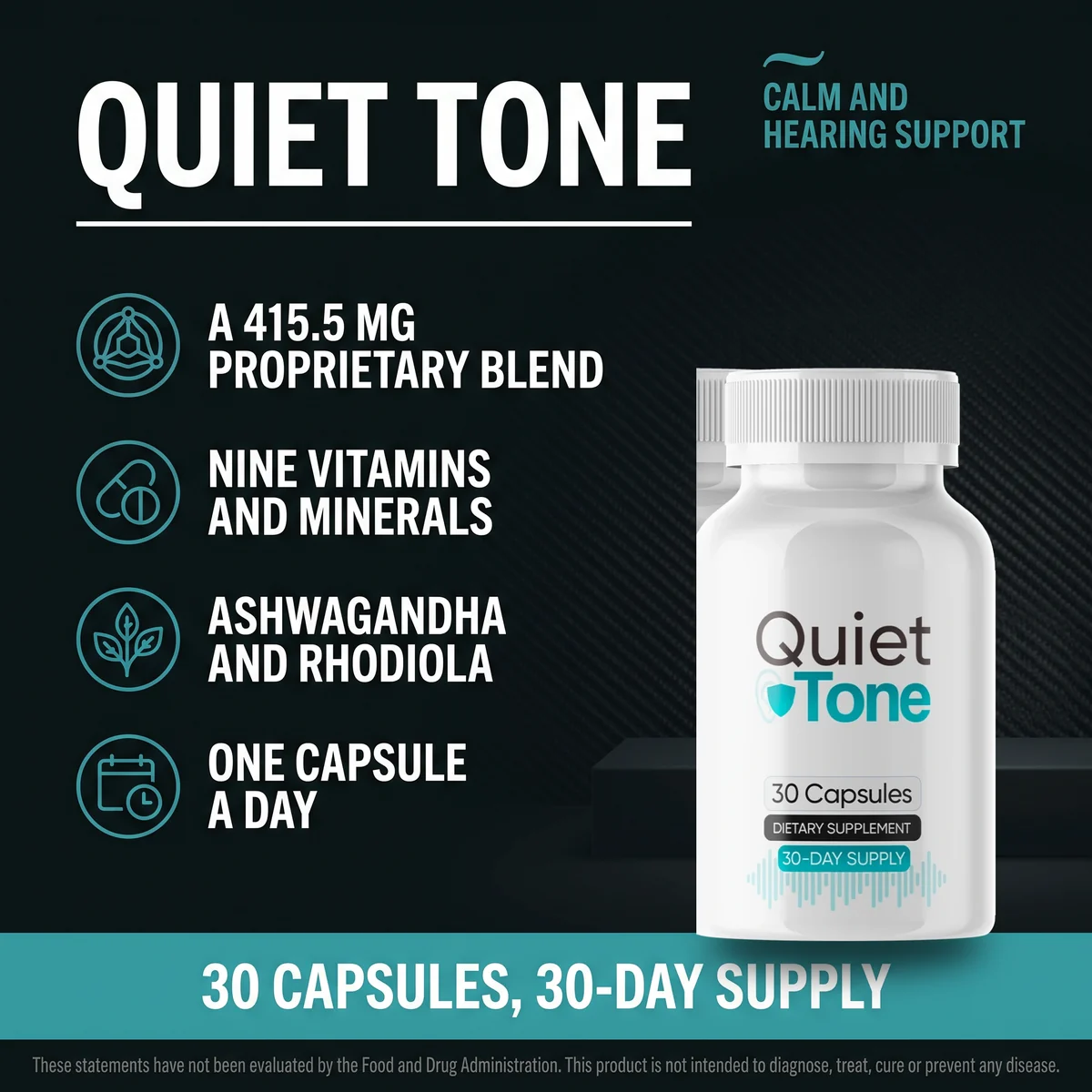
Rather than juggling a magnesium pill and a zinc pill, QuietTone puts 12.5 mg of each into a single once-daily capsule alongside seven more vitamins and minerals and a 415.5 mg botanical blend. The six-bottle bundle is the best value at $49 per bottle, with free U.S. shipping and a 60-day guarantee.
Check today’s QuietTone pricing — from $49/bottleDo you need magnesium or zinc — or both?
For most people the practical answer is both, in balanced amounts, because a shortfall in either can undercut the systems the ear relies on. Surveys suggest magnesium shortfalls are common, while zinc intake varies with how much protein, seafood and seeds a diet contains. A modest, food-level pairing covers both bases and avoids the copper-balance concern that comes with large isolated zinc doses — the "balance beats megadose" thinking behind why QuietTone carries the two together.
How much of each does QuietTone provide?
QuietTone keeps both minerals at supportive, food-level amounts rather than clinical megadoses. The table below shows the per-capsule figures alongside a rough sense of typical adult reference intakes, so you can see how modest and complementary these amounts are.
| Mineral | Per QuietTone capsule | Form | Everyday role on the label |
|---|---|---|---|
| Magnesium | 12.5 mg | Magnesium oxide | Contributes to normal nervous-system and muscle function |
| Zinc | 12.5 mg | Within the nine-nutrient base | Supports normal immune and cognitive function |
| Delivery | One capsule daily, taken with water — both minerals in the same dose, no pill-stacking | ||
These are deliberately restrained amounts designed to complement a varied diet, not replace it. If you want the full label context, the homepage ingredients section lists every vitamin, mineral and botanical in the formula.
How can you get more magnesium and zinc from food?
Food-first is the sensible rule, and the two come from overlapping but distinct places. Magnesium is richest in leafy greens, nuts, seeds, legumes and whole grains; zinc concentrates in shellfish, red meat, poultry, seeds and whole grains. A plate with greens, a handful of pumpkin seeds, beans and quality protein covers a lot of ground for both. A modest supplement is then a consistency tool for the days real life gets in the way — not a substitute for the diet.
When should you talk to a doctor about minerals?
Mineral support is for people whose hearing is already within a normal range and who want to keep everyday nutrition steady; it is not a substitute for medical care. Speak with your doctor before adding any supplement if you are pregnant or nursing, under 18, take medication (zinc and magnesium can interact with certain drugs), or have a diagnosed condition or kidney concerns. See a professional promptly for sudden hearing change, ear pain, dizziness, discharge, or ringing in only one ear — those warrant assessment, not a supplement.
Frequently asked questions
Is magnesium or zinc better for ear health?
Neither is simply better; they do different jobs. Magnesium contributes to normal nervous-system and muscle function, which supports the calm baseline hearing sits on, while zinc supports normal immune and cognitive function. Because their roles complement each other, QuietTone includes 12.5 mg of each rather than choosing one.
What does magnesium do that zinc does not?
Magnesium is a macromineral involved in hundreds of enzyme reactions and is recognised for contributing to normal nervous-system function, normal muscle function and the reduction of tiredness and fatigue. Zinc is a trace mineral more associated with normal immune function, cognitive function and the protection of cells from oxidative stress. Their strengths sit in different systems.
Can you take magnesium and zinc together?
Yes. At the modest, food-level amounts found in a balanced multi-nutrient formula they are commonly combined, which is why QuietTone pairs 12.5 mg of each. Very high isolated doses of zinc taken long term can interfere with copper and other minerals, so balanced amounts alongside a varied diet are the sensible approach.
How much magnesium and zinc are in QuietTone?
Each once-daily QuietTone capsule provides 12.5 mg of magnesium (as magnesium oxide) and 12.5 mg of zinc, sitting among nine vitamins and minerals alongside the 415.5 mg botanical blend. These are supportive, food-level amounts, not isolated megadoses.
Do these minerals treat tinnitus or hearing loss?
No. Magnesium and zinc are foundational nutrients that support normal nervous-system and immune function; they are not a treatment, cure or prevention for tinnitus, hearing loss or any medical condition. Anyone with sudden or one-sided hearing change should see a doctor promptly.
Should I get magnesium and zinc from food or a supplement?
Food first is the sensible rule: leafy greens, nuts, seeds and legumes for magnesium, and shellfish, meat, seeds and whole grains for zinc. A modest supplement like QuietTone can help fill everyday gaps and keep the routine consistent, but it works best alongside a varied whole-food diet, not instead of one.
See the exact dose in QuietTone — risk-free for 60 days →
QuietTone is a dietary supplement, not a treatment for any medical condition. These statements have not been evaluated by the Food and Drug Administration. This product is not intended to diagnose, treat, cure or prevent any disease. Always consult a qualified healthcare professional about your individual needs.
References & further reading
- National Institutes of Health, Office of Dietary Supplements. Magnesium — Fact Sheet for Health Professionals. ods.od.nih.gov/factsheets/Magnesium-HealthProfessional
- National Institutes of Health, Office of Dietary Supplements. Zinc — Fact Sheet for Health Professionals. ods.od.nih.gov/factsheets/Zinc-HealthProfessional
- Büntzel J, et al. The role of magnesium in otology — a narrative review. Magnesium Research, 2026. PMID 42439044
- Shim M, et al. Zinc deficiency triggers hearing loss by reducing ribbon synapses of inner hair cells in CBA/N mice (animal study). Biochemical and Biophysical Research Communications, 2024. PMID 38118309
- Mayo Clinic. Magnesium supplement (oral route) — description and dosing. mayoclinic.org/drugs-supplements/magnesium-supplement-oral-route
- Examine.com. Zinc — evidence-based summary. examine.com/supplements/zinc
These references describe the minerals in general terms and do not constitute evidence that any product treats, cures or prevents any condition.
Keep reading: magnesium in QuietTone · zinc in QuietTone · the best nutrients for hearing and calm · the QuietTone review · back to the blog.